We Are Here to Help
Samuel Thomas Law: Athens GA Divorce & Child Custody Attorney
Your Athens GA Divorce & Child Custody Law Firm
Affiliations & Memberships
Honors & Awards
How we can help
Experienced family law representation
when it matters most.
Samuel Thomas Law handles a broad range of family law matters across Georgia Superior and Juvenile Courts. Every case receives the personal attention of Samuel Thomas directly.
Divorce
Contested and uncontested divorce, property division, alimony, and high-asset matters handled with care and strategy.
Learn moreChild Custody & Visitation
Modification, initial orders, relocation disputes, and emergency custody matters. The children's best interests always come first.
Learn moreFather's Rights
Dedicated advocacy for fathers seeking custody, visitation rights, and equal treatment under Georgia family law.
Learn moreGrandparent Rights
Helping grandparents pursue visitation and custody rights when family circumstances make it necessary.
Learn moreAdoption
Stepparent adoptions, third-party adoptions, and defense of adoption proceedings in Georgia courts.
Learn morePrenuptial Agreements
Thoughtfully drafted prenuptial agreements that protect assets and clarify expectations before marriage.
Learn morePaternity & Legitimation
Establishing legal parentage in Georgia, including legitimation petitions to secure parental rights.
Learn moreContempt & Enforcement
When court orders aren't followed, we take action. Contempt motions and enforcement across Georgia.
Learn moreSpousal Support & Alimony
Representation in alimony matters — seeking, opposing, or modifying support awards in Georgia courts.
Learn moreST
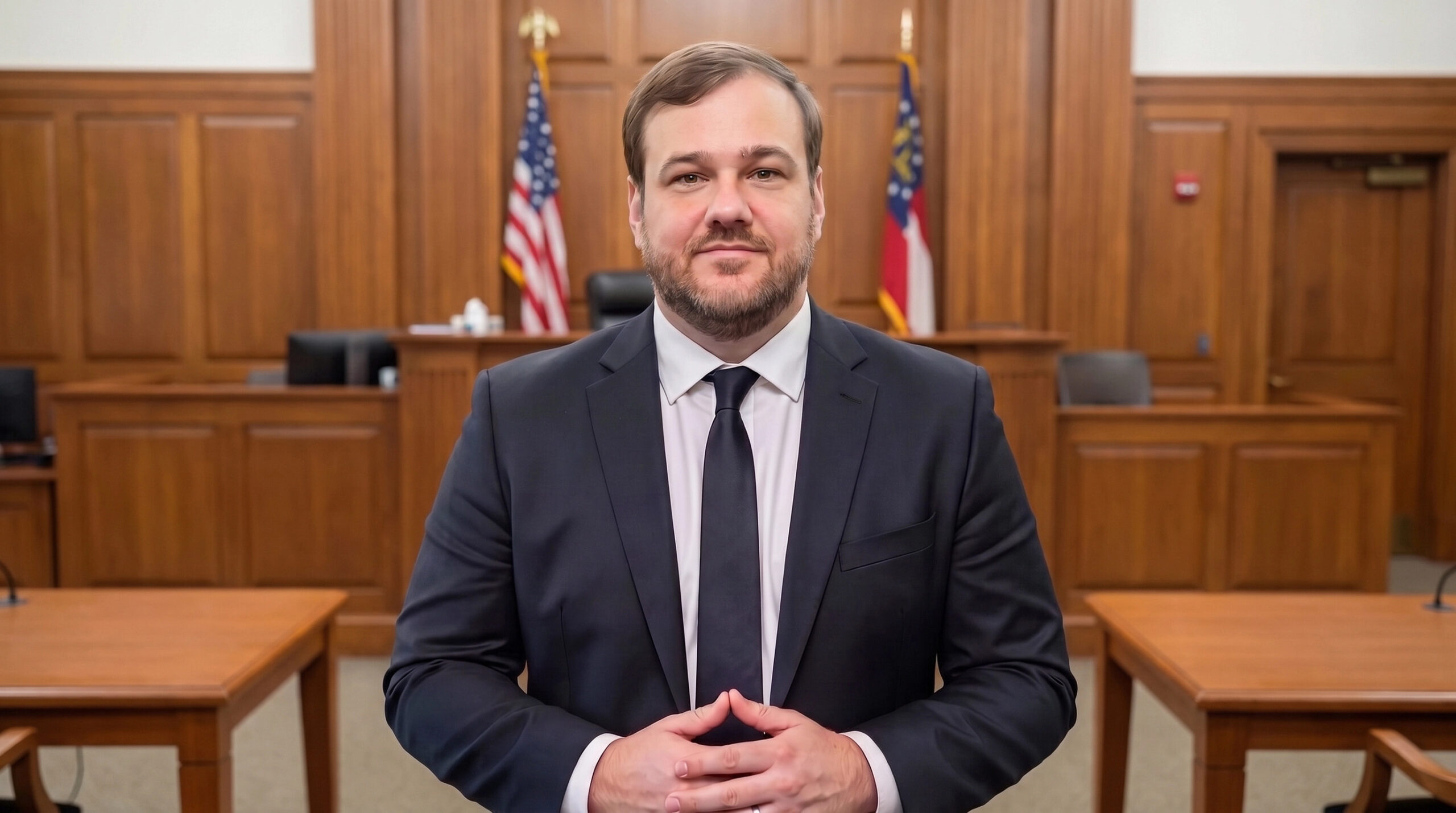
Samuel E. Thomas, Esq.
Principal Attorney & Owner
Georgia Bar No. 654643
Samuel Thomas Law, LLC
585 Research Drive, Suite A
Athens, Georgia 30605
706-546-0999
Samuel Thomas Law, LLC
585 Research Drive, Suite A
Athens, Georgia 30605
706-546-0999
Your attorney
Personal attention from the attorney who knows your case.
Samuel E. Thomas is the principal attorney and owner of Samuel Thomas Law, LLC — a solo practice intentionally built so that clients work directly with their attorney at every stage of the case, not a paralegal or rotating associate.
A lifelong resident of Athens, Georgia and a 2012 graduate of the University of Alabama School of Law, Samuel has handled custody trials, complex divorces, contempt proceedings, adoption matters, and protective orders across Superior and Juvenile Courts throughout Northeast Georgia. He has been recognized by Super Lawyers, Avvo, and the Athens community as a trusted voice in family law.
When you hire Samuel Thomas Law, you work with Samuel. That's not just a promise — it's the way the firm was built.
Super Lawyers ListedAvvo 10.0 SuperbABA Family Law SectionState Bar of GeorgiaFlagpole Best AttorneyAthens Choice Award 2024UGA B.A. Political Science 2010Alabama School of Law 2012
Where we practice
Representing clients across
Northeast Georgia and beyond.
Samuel Thomas Law handles family law matters in Superior and Juvenile Courts across multiple Georgia counties. Distance is not a barrier to representation.
Athens-Clarke CountyOconee CountyMadison CountyBarrow CountyMonroe CountyBanks CountyPickens CountyNewton CountyDeKalb CountyCobb CountyOglethorpe County+ Additional counties by arrangement
Get in touch
Contact us today.
Book online
Schedule your consultation.
lawyer, law, alimony, divorce, athens, marriage, misdemeanor, domestic violence, child custody, assault, property, crime, university of georgia, court, trial, mediation, probate, asset, felony, criminal law, violence, negotiation, injury, legal separation, child support, family law services, attorney, divorce lawyer, criminal defense, boyle, criminal defense attorney, divorce lawyers, dui, green law firm, family law attorney, family law attorneys, parent, legal guardian, bar association, judge, debt, estate planning, contract, annulment, fee, compassion, family law, policy, drug, research, division of property, adoption, grounds for divorce, avvo, husband, law firm, knowledge, paralegal, email address, prenuptial agreement, state bar of georgia, criminal justice, athens family lawyers, domestic relations, family law lawyer, law lawyer, attorneys, family law lawyers, athens family lawyer, state bar association, legal advice, conflict of interest, spouse, advocate, license, theft, owner
Frequently Asked Questions
What are the legal implications of recording conversations with a spouse in Georgia?
The legal implications of recording conversations with a spouse in Georgia include the requirement that at least one party must consent to the recording. Unauthorized recordings may violate privacy laws and could lead to legal consequences, emphasizing the need for caution.
How does the one-party consent rule apply in divorce cases?
The application of the one-party consent rule in divorce cases allows one spouse to legally record conversations without the other spouse's consent. This can be useful for gathering evidence during divorce proceedings, as long as the recording occurs in a setting where one party is present and aware.
What should I consider before recording a conversation with my spouse?
Before recording a conversation with your spouse, consider the legal implications, potential breach of trust, and the impact on your relationship. It's crucial to understand consent laws and ensure transparency to maintain open communication.
What are the privacy concerns in recording conversations?
The privacy concerns in recording conversations include potential violations of consent laws, risks of unauthorized usage of the recorded material, and the impact on individuals' confidentiality and trust during discussions.
Can I use recorded conversations in court?
Recorded conversations can be used in court, provided they were obtained legally and in compliance with state laws regarding consent. Always consult with an attorney to ensure compliance and relevance to your case.
What constitutes consent under Georgia law?
Consent under Georgia law is defined as the voluntary agreement of an individual, given with full knowledge and capacity, to engage in a specific act or decision. It must be informed, meaning the person understands what they are consenting to.
Are there exceptions to one-party consent laws?
Exceptions to one-party consent laws do exist. In certain circumstances, such as when one party is using the recorded conversation for illegal purposes or if the conversation involves specific privacy expectations, different rules may apply based on state laws.
How can recordings affect divorce proceedings?
Recordings can significantly impact divorce proceedings as they may serve as crucial evidence in negotiations and court hearings. They can clarify disputes regarding custody, financial matters, and behavior, potentially influencing judicial decisions.
What are the risks of recording without consent?
The risks of recording without consent include potential legal consequences such as fines and lawsuits, as it may violate privacy laws. Additionally, it can damage trust and relationships if discovered, leading to reputational harm.
Is it legal to record phone conversations in Georgia?
Recording phone conversations in Georgia is legal if at least one party to the conversation consents to the recording. This means you can record your own conversations without notifying the other person.
What should I know about spousal consent laws?
Spousal consent laws require that one spouse obtains the other's permission for certain legal actions, such as property transactions or divorce proceedings. Understanding these laws is crucial to ensure compliance and protect your legal rights during marital transitions.
How do recordings impact custody disputes?
Recordings can significantly impact custody disputes by providing evidence of parental behavior, communication patterns, and the child's wellbeing. This information can influence court decisions, highlighting the ability of each parent to provide a stable and supportive environment.
What documentation is needed for conversation recording?
The documentation needed for conversation recording includes consent forms signed by all parties involved in the conversation, as well as any relevant identification or verification documents to ensure compliance with legal requirements.
Can recordings be used to prove infidelity?
Recordings can be used as evidence to prove infidelity. However, the legality and admissibility of such recordings depend on state laws and whether both parties consented to the recording. Always consult with a legal professional for guidance.
What happens if my spouse contests a recording?
If your spouse contests a recording, the validity of the recording may be challenged in court. This can result in the evidence being considered inadmissible, depending on the circumstances surrounding the recording and applicable laws.
Are electronic communications subject to recording laws?
Electronic communications are indeed subject to recording laws, which vary by jurisdiction. Consent from at least one party involved in the communication is typically required to legally record such interactions.
How does one-party consent differ from two-party?
One-party consent differs from two-party consent in that one-party consent allows for a recording or communication to take place as long as one participant is aware, while two-party consent requires all involved parties to agree to the recording.
What guidelines exist for recording conversations legally?
The guidelines for recording conversations legally depend on jurisdiction, but generally, consent from at least one party involved is required. Always verify local laws to ensure compliance before recording any conversation.
How can I protect my rights when recording?
To protect your rights when recording, ensure you are aware of state laws regarding consent. If you're in a two-party consent state, obtain permission from all parties involved before recording to avoid legal issues.
What legal advice should I seek before recording?
The legal advice to seek before recording includes understanding consent laws, ensuring that all parties involved are aware and agree to the recording, and verifying compliance with federal and state regulations related to privacy and data protection.
How does the law view recorded disputes?
The law views recorded disputes as valuable evidence that can help clarify the facts of a case, assuming the recordings are obtained lawfully and comply with relevant privacy regulations.
What are potential consequences of unlawful recordings?
The potential consequences of unlawful recordings include criminal charges, civil liability for damages, and the inadmissibility of recorded evidence in court. Such actions can severely undermine your legal standing and result in significant penalties.
Can recordings influence mediation outcomes?
Recordings can influence mediation outcomes by providing clear evidence of statements and positions from the parties involved. This clarity can help facilitate understanding and foster constructive dialogue during the mediation process.
What steps should I follow when recording?
The steps to follow when recording include preparing your material, selecting a quiet space, testing your equipment, ensuring proper lighting, and conducting a few practice runs to achieve the best results.
How can recordings help my divorce case?
Recordings can significantly aid your divorce case by providing clear evidence of conversations and events relevant to custody, communication, and disputes. This documentation can strengthen your position in negotiations or court proceedings.
What should I avoid when recording conversations?
When recording conversations, you should avoid recording without consent, using deceptive practices, and capturing private discussions outside of legal guidelines. Be aware of jurisdictional laws regarding consent to ensure compliance and protect privacy.
How do courts evaluate recorded evidence?
Courts evaluate recorded evidence by assessing its relevance, authenticity, and reliability. They consider the context in which it was obtained, whether proper procedures were followed, and its impact on the case at hand.
What ethical considerations surround recording spouses?
The ethical considerations surrounding recording spouses involve issues of consent, privacy, and trust. Recording conversations without a spouse's knowledge can lead to significant breaches of trust and may be deemed unethical or even illegal in certain jurisdictions.
Do I need to inform my spouse before recording?
Informing your spouse before recording is often a legal requirement, depending on your state's laws. In many jurisdictions, consent must be obtained from all parties involved in the conversation.
What are the challenges of using recordings in family law?
The challenges of using recordings in family law include issues of admissibility, privacy concerns, and the potential for misinterpretation. These factors can complicate legal proceedings and impact the effectiveness of the evidence presented.
athens attorney, family law attorney athens ga, child custody lawyer athens, athens divorce lawyers, divorce attorney athens ga, divorce lawyers athens ga, divorce lawyer athens ga, thomas and fargione law group, athens lawyers, athens attorneys, family law attorney, divorce attorneys, criminal lawyers athens ga, criminal defense attorney athens ga, attorneys family law near me, thomas family law, family law attorneys near me, attorney family law near me, law family, Athens GA family law attorney, Athens GA family law, Athens ga child custody